
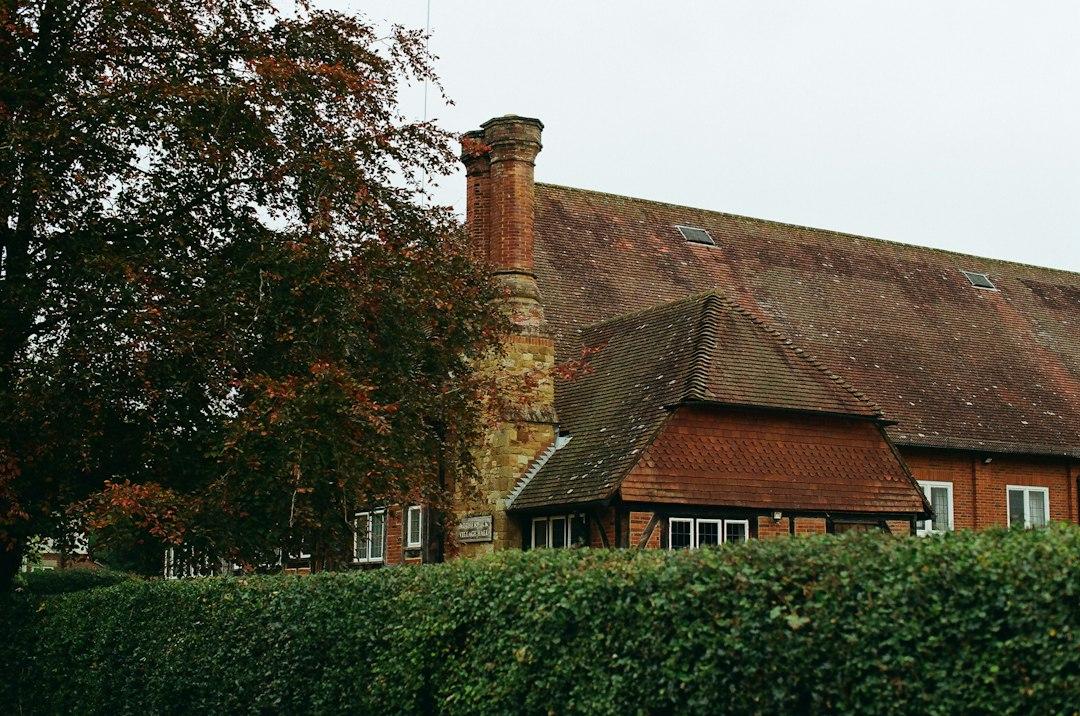
A Swept Flue Before the Santa Anas Blow in Inglewood
Tell Us About the Chimney
Wood or gas, brick or prefab, and what you have spotted up top. We ring back to set a morning and say what to expect.
On the Visit
Creosote is the part of a chimney that burns. Every fire leaves a little more of it lining the tile, and one hot load of wood can light it. Our sweep clears that layer from the firebox up to the cap, empties the smoke shelf, and finishes with a look at the spark screen so nothing glowing leaves the top. Sweeps are priced from $405, and you see photos of the flue before and after.
Why the Sweep Belongs on the Fire Calendar
Most of the fires that start in a chimney start in what is stuck to its walls. Each fire you burn leaves a film of soot and tar on the flue, and that film burns hotter than the wood that made it. Once it catches, flame runs up the inside of the chimney and throws burning flakes out of the top. On a still night in January those flakes mostly die on the roof. On a night in October with a dry wind out of the east, they can land in a gutter full of needles, a palm skirt or a neighbor's woodpile. That is why we tie sweeping to the calendar rather than to a vague once a year. The useful moment is late summer or early fall, after the dry months have hardened the deposit but before the first cool evening tempts someone to light the fireplace while the Santa Anas are still blowing. A flue that has been brushed bare has nothing in it to throw.
The other reason to sweep early is the cap. On a wood burning chimney the mesh around the cap is the last thing between a spark and the open air, and the same soot that coats the flue collects on that screen. A plugged screen slows the draft, so smoke lingers longer in the flue and leaves more behind, and a screen that has rusted open lets sparks straight through. When we sweep we go up, lift the lid where the design allows, brush the mesh clear and look for holes, loose screws and a lid bent by wind. If the cap is fine, it goes back on. If it is past saving, you get a written price for a new one before anyone leaves the roof, and you decide. Homes in Inglewood that burn only a handful of fires a year still collect enough on the screen to matter by the time the wind season comes round.
What Happens at the House on Sweep Day
We start in the room. Drop cloths go down over the hearth and the floor around it, a vacuum with a fine filter is set up at the opening, and the opening is closed off so nothing drifts into the house while the brushes are working. Then we brush the flue with rotary heads sized to the tile or liner, working the full height rather than only the part a rod reaches easily from below. The smoke shelf behind the damper is cleared by hand, because that ledge holds a surprising pile of soot, twigs and old nesting material, and all of it is dry fuel sitting right above the fire. The damper gets worked open and shut and its seat is scraped clean so it can close tight in the months the fireplace is not in use. A damper that seals is one more barrier between the house and anything that comes down the flue during a wind event.
When the brushing is done we look at what came out. Light gray dust means the fires are burning hot and the wood is dry. Crunchy black flakes or a shiny tar on the tile mean the fires are smoldering, and that is the deposit that feeds chimney fires, so we tell you plainly and talk about what to burn and how. If the tar has baked into a glaze that our heads will not lift, or if the tiles show cracks or gaps, we stop and explain it, since a cracked flue lets heat and sparks reach the framing. The sweep itself has a published price: from $405. Anything beyond the brush, such as glaze removal, a new cap or a flue repair, is priced on paper first and only goes ahead if you say yes. Book it for August or September and the chimney goes into wind season empty.
How Tremont Chimney Contractors Works
Room to Roof
Hearth, flue, crown and cap looked at as one fire barrier
Fire Calendar
Visits planned ahead of the windy months
Prices on Paper
A written figure before any work is booked
Photos Included
Pictures of what we found, sorted by fire risk
Chimney Sweep, city by city
Choose a city to read how local houses and weather shape this work there.
CA
Chimney Sweep in Inglewood
Morningside Park, like Fairview Heights, keeps stucco homes in the Spanish style from between the 1920s and 1940s, and 32% of local houses went up before 1950. A flue that old gets our first look at the top: is the cap seated, and does its spark screen close every gap?
See this cityCA
Chimney Sweep in Culver City
Of local homes, 84% are older than 1980, and the ones from the 1970s onward often box a metal flue inside a framed chase. Ember protection there lives at the chase top, so we look for a torn arrestor screen or a rusted cover before anything else.
See this cityCA
Chimney Sweep in El Segundo
West of Sepulveda the grid is lined with small bungalows, and those from the 1920s to 1940s usually carry brick chimneys laid on site. Mortar wears and quakes crack them, so every cap we install here comes with an inspection of the joints underneath.
See this cityCA
Chimney Sweep in Lynwood
In Lynwood, 45% of homes predate 1950, and a fireplace in one of those older houses almost always vents through brick. We sweep that flue and fit spark mesh on top, so an ember lifting off the logs never clears the chimney.
See this cityMore Ways We Keep the Chimney Safe
Chimney Inspection
A look at every point where heat or sparks could escape the chimney, from the firebox to the screen on top.
Read moreChimney Repair
Closing the cracks, gaps and worn parts that would let heat or sparks reach the house instead of the sky.
Read moreFireplace Inspection
A check of the firebox, hearth, damper and doors, looking for any spot where an ember could reach floor or trim.
Read moreFireplace Repair
Firebox brick, hearth slabs, screens and doors repaired so sparks and rolling logs stay on masonry.
Read moreChimney Level 2 Inspection
Camera footage of the whole liner plus attic and roof checks, for when something has changed. Priced at $375.
Read moreChimney Cap Installation
Caps with a tight mesh screen that holds sparks in the flue and keeps wind-blown embers from dropping inside.
Read moreChimney Flashing Repair
Roof leaks at the chimney traced and the metal joint resealed, so framing beside the flue stays dry and sound.
Read moreChimney Masonry Repair
Brick and joint repairs that keep the chimney walls solid, so heat stays in the flue and water stays out.
Read moreChimney Rebuilds
Chimneys too damaged to patch taken apart and laid again, finished with a liner and a screened cap.
Read moreFireplace Cleaning
Firebox ash, soot and loose tar cleared, doors and screen cleaned, and the hearth left tidy.
Read moreGas Fireplace Cleaning
Burner ports, pilot, logs and glass cleaned on gas units, plus a check that the vent outside is clear.
Read moreGas Fireplace Repair
Faults on gas fireplaces found with a meter, from weak thermocouples to tired valves and ignition boards.
Read moreFireplace Remodel
Surround, hearth and mantel remodels planned around safe distances, with non-combustible finishes near the opening.
Read moreFireplace Inserts
Inserts that close an open firebox behind glass and vent through a stainless liner to the chimney top.
Read morePellet Stove Repair
Pellet stoves that quit, puff smoke or will not ignite, traced to the auger, igniter, blower or sensor at fault.
Read moreWood Stove Repair
Gaskets, glass, baffles and firebrick replaced so a wood stove closes tight and keeps its fire contained.
Read moreGas Logs
Gas log sets that end sparks and loose embers in a wood fireplace, with the gas line and venting checked.
Read moreChimney Seismic Retrofit
Bracing, strapping or a lighter rebuild above the roof, so a brick chimney rides out shaking and stays a sound flue.
Read moreChimney Crown Repair
Crown cracks closed, or a new crown poured with an overhang, so water and wind cannot work at the top.
Read moreDryer Vent Cleaning
Lint cleared from the dryer duct to the outside hood, so hot air leaves the house and lint never sits near heat.
Read moreChimney Liner Installation
Stainless liners fitted inside old or cracked flues, so heat and sparks travel in metal all the way to the cap.
Read moreChimney Leak Repair
Water entry found, whether at the roof joint, the top of the stack or the brick, and stopped before rot spreads.
Read moreChimney Waterproofing
A water repellent that lets brick breathe, put on a chimney whose repairs are done, so rain stops soaking in.
Read moreChimney Damper Repair
Dampers that jam, rattle or leak repaired or replaced, so the fire drafts properly and the flue closes between burns.
Read moreChimney Chase Cover
Stainless tops made to measure for framed chimney chases, replacing rusted lids that leak onto the metal flue.
Read more