
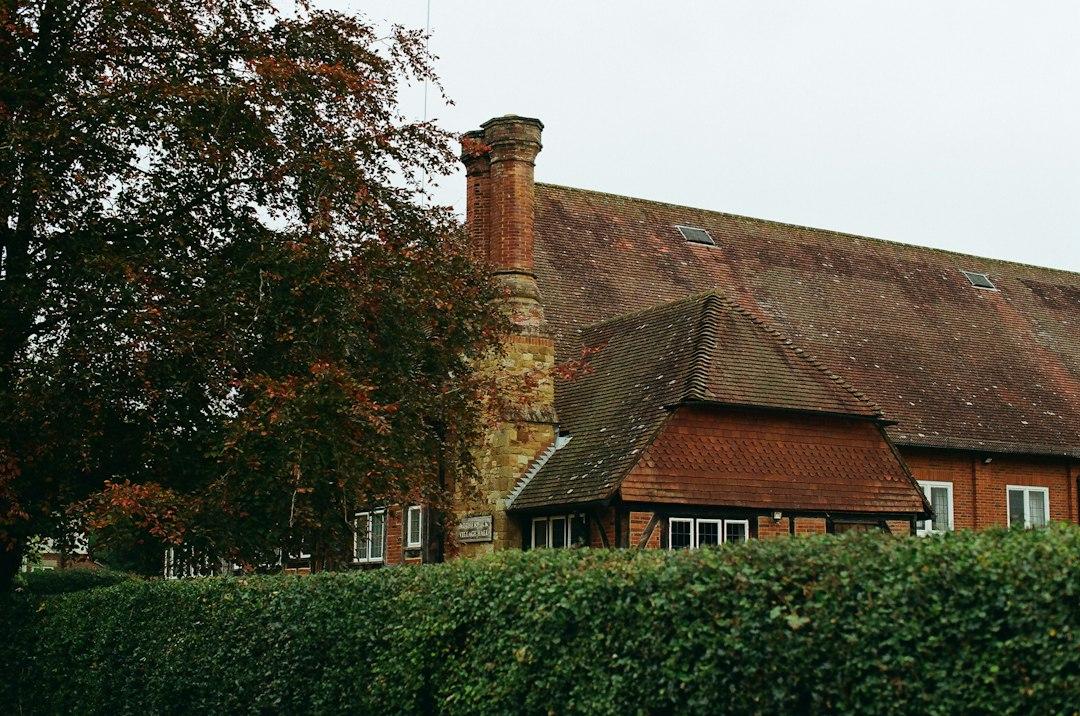
Chimney Rebuilds in Inglewood
Tell Us About the Chimney
Wood or gas, brick or prefab, and what you have spotted up top. We ring back to set a morning and say what to expect.
On the Visit
Some stacks cannot be saved with mortar. The top leans, the brick is loose, or past shaking has split it at the roof. A failed chimney is a fire risk and a falling risk at once. We remove brick until we reach courses that are still set firm, lay it back with new brick, fit a liner sized to the appliance, and finish with a crown and a screened cap. The price is agreed in writing before anything comes down.
When a Rebuild Is the Honest Answer
Repointing works when the brick is sound and only the joints have worn. It stops working when the brick itself is loose, when the stack above the roof has started to lean, when a crack runs through the chimney rather than along a joint, or when the inside of the flue has broken up along with the outside. At that stage each repair is a patch on a structure that keeps moving, and the next strong quake or wind storm is a real risk. Loose brick at the top of a chimney can fall through a roof or onto a walkway. A stack with open cracks can also let the heat of a chimney fire reach the roof framing. We say rebuild only when repair cannot make the masonry sound again, and the report explains which sign we saw and where, so you can judge the call yourself.
In most cases only part of the chimney is rebuilt. The section above the roof takes the weather and the sway of a quake, so it fails first, while the brick inside the attic and below often stays sound. We take the failed section down by hand, one row at a time, until we reach brick and mortar that are firm, then lay it back up from there. The flue tiles or a new liner go in as the stack rises, the flashing is replaced where it meets the roof, and the top is finished with a new crown and a cap with spark mesh. Some owners in Inglewood pair the rebuild with reinforcement, with steel set into the new masonry and ties to the roof framing. That is described on our seismic retrofit page and priced alongside the rebuild if you want it.
Taking a Chimney Down Instead
Some chimneys are no longer needed. The fireplace below has been closed, the house heats with a furnace, and the brick above the roof is just weight waiting to fall. For those, lowering the chimney to beneath the roof deck and patching the roof where it stood is a real option, and in a quake zone it removes the heaviest loose object on the house. A cut down chimney also takes away any chance of sparks from that flue, since it no longer carries fire. We explain what that choice means for the fireplace, which can no longer be used for wood, and for any gas appliance that vents through the chimney, which would need another route out. Owners who want to keep the fireplace working choose the rebuild; those who never light it often choose the removal, and either way the decision is yours to make.
A rebuild is one of the larger jobs we quote, and the figure depends on how far down the failed brick goes, how tall and wide the chimney is, whether there is one flue or more, and how hard the roof is to work from. The quote names the course where we expect the rebuild to start, what happens if the damage proves deeper once the old brick comes off, the liner or tile plan, the flashing, the crown and the cap. Nothing in it is a hidden extra. Dry months suit the work, and a rebuild finished before fall gives you a chimney that is tight, capped and screened ahead of the wind season. Book an inspection first, Level 1 at $53 or Level 2 at $375 if the inside of the flue is in question, and the quote follows from what we saw.
How Tremont Chimney Contractors Works
Room to Roof
Hearth, flue, crown and cap looked at as one fire barrier
Fire Calendar
Visits planned ahead of the windy months
Prices on Paper
A written figure before any work is booked
Photos Included
Pictures of what we found, sorted by fire risk
Chimney Rebuilds, city by city
Choose a city to read how local houses and weather shape this work there.
CA
Chimney Rebuilds in Inglewood
Morningside Park, like Fairview Heights, keeps stucco homes in the Spanish style from between the 1920s and 1940s, and 32% of local houses went up before 1950. A flue that old gets our first look at the top: is the cap seated, and does its spark screen close every gap?
See this cityCA
Chimney Rebuilds in Culver City
Of local homes, 84% are older than 1980, and the ones from the 1970s onward often box a metal flue inside a framed chase. Ember protection there lives at the chase top, so we look for a torn arrestor screen or a rusted cover before anything else.
See this cityCA
Chimney Rebuilds in El Segundo
West of Sepulveda the grid is lined with small bungalows, and those from the 1920s to 1940s usually carry brick chimneys laid on site. Mortar wears and quakes crack them, so every cap we install here comes with an inspection of the joints underneath.
See this cityCA
Chimney Rebuilds in Lynwood
In Lynwood, 45% of homes predate 1950, and a fireplace in one of those older houses almost always vents through brick. We sweep that flue and fit spark mesh on top, so an ember lifting off the logs never clears the chimney.
See this cityMore Ways We Keep the Chimney Safe
Chimney Sweep
Brushing out the creosote and soot a flue fire feeds on, ahead of the dry, windy months of fall.
Read moreChimney Inspection
A look at every point where heat or sparks could escape the chimney, from the firebox to the screen on top.
Read moreChimney Repair
Closing the cracks, gaps and worn parts that would let heat or sparks reach the house instead of the sky.
Read moreFireplace Inspection
A check of the firebox, hearth, damper and doors, looking for any spot where an ember could reach floor or trim.
Read moreFireplace Repair
Firebox brick, hearth slabs, screens and doors repaired so sparks and rolling logs stay on masonry.
Read moreChimney Level 2 Inspection
Camera footage of the whole liner plus attic and roof checks, for when something has changed. Priced at $375.
Read moreChimney Cap Installation
Caps with a tight mesh screen that holds sparks in the flue and keeps wind-blown embers from dropping inside.
Read moreChimney Flashing Repair
Roof leaks at the chimney traced and the metal joint resealed, so framing beside the flue stays dry and sound.
Read moreChimney Masonry Repair
Brick and joint repairs that keep the chimney walls solid, so heat stays in the flue and water stays out.
Read moreFireplace Cleaning
Firebox ash, soot and loose tar cleared, doors and screen cleaned, and the hearth left tidy.
Read moreGas Fireplace Cleaning
Burner ports, pilot, logs and glass cleaned on gas units, plus a check that the vent outside is clear.
Read moreGas Fireplace Repair
Faults on gas fireplaces found with a meter, from weak thermocouples to tired valves and ignition boards.
Read moreFireplace Remodel
Surround, hearth and mantel remodels planned around safe distances, with non-combustible finishes near the opening.
Read moreFireplace Inserts
Inserts that close an open firebox behind glass and vent through a stainless liner to the chimney top.
Read morePellet Stove Repair
Pellet stoves that quit, puff smoke or will not ignite, traced to the auger, igniter, blower or sensor at fault.
Read moreWood Stove Repair
Gaskets, glass, baffles and firebrick replaced so a wood stove closes tight and keeps its fire contained.
Read moreGas Logs
Gas log sets that end sparks and loose embers in a wood fireplace, with the gas line and venting checked.
Read moreChimney Seismic Retrofit
Bracing, strapping or a lighter rebuild above the roof, so a brick chimney rides out shaking and stays a sound flue.
Read moreChimney Crown Repair
Crown cracks closed, or a new crown poured with an overhang, so water and wind cannot work at the top.
Read moreDryer Vent Cleaning
Lint cleared from the dryer duct to the outside hood, so hot air leaves the house and lint never sits near heat.
Read moreChimney Liner Installation
Stainless liners fitted inside old or cracked flues, so heat and sparks travel in metal all the way to the cap.
Read moreChimney Leak Repair
Water entry found, whether at the roof joint, the top of the stack or the brick, and stopped before rot spreads.
Read moreChimney Waterproofing
A water repellent that lets brick breathe, put on a chimney whose repairs are done, so rain stops soaking in.
Read moreChimney Damper Repair
Dampers that jam, rattle or leak repaired or replaced, so the fire drafts properly and the flue closes between burns.
Read moreChimney Chase Cover
Stainless tops made to measure for framed chimney chases, replacing rusted lids that leak onto the metal flue.
Read more