
Chimney Seismic Retrofit in Inglewood
Tell Us About the Chimney
Wood or gas, brick or prefab, and what you have spotted up top. We ring back to set a morning and say what to expect.
On the Visit
A quake can crack a chimney at the roofline without bringing it down, and a hidden crack in the flue is a fire path. Our retrofit work starts with a look at the stack and how it is tied to the house. Depending on what we find, the plan may add steel bracing to the roof, fix straps at the floor lines, or rebuild the top in a lighter form. The written plan comes with a price before any work.
Where Quake Safety and Fire Safety Meet
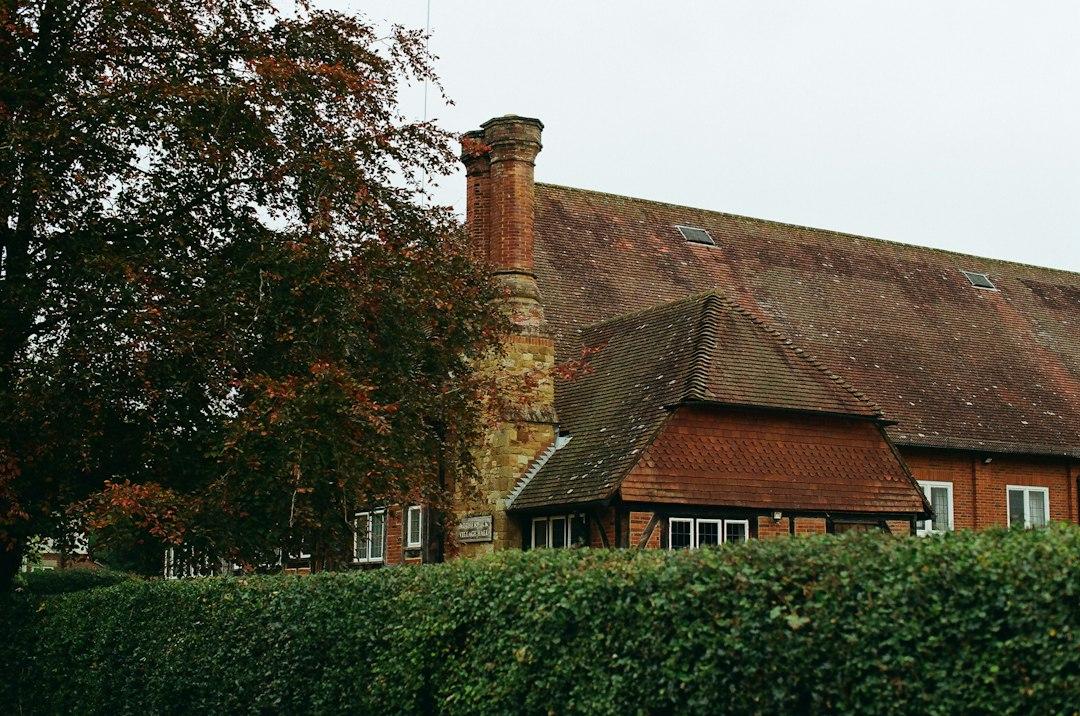
Picture the top of a chimney during a shake: several feet of brick standing free above the shingles, held at its base and nowhere else. The roof below it rocks to one rhythm, the brick tries to keep another, and the mortar at the roof line is where the argument ends. That is why so many chimneys break right there. Lower down, the shaking can shift flue tiles out of line and open cracks in the masonry that nobody sees from the street. This is where quake risk turns into fire risk. A chimney that has cracked inside can carry the heat of the next fire into the framing around it, and one that has lost its top may have lost its cap and spark screen with it. The 1994 quake left broken chimneys across the Los Angeles basin, and many still standing in Inglewood were built the same way.
Not every chimney needs a retrofit, and no two retrofits are quite the same. The first step is a look at the chimney from top to bottom: the height above the roof, the state of the brick and mortar, whether there is reinforcing steel in it at all, how it connects to the house at each floor and at the roof, and whether earlier quakes have already cracked it. For a chimney that may have been damaged, a Level 2 inspection at $375 puts a camera through the flue and checks the attic connection. The written result tells you whether the masonry is sound enough to brace, whether part of it should be rebuilt first, or whether taking it down is the sensible course. We explain what we see in plain terms, and we do not promise any rebate or program; the decision stays with you.
The Options, From Lightest to Largest
Bracing is the lightest touch. It gives the exposed top of the chimney a steel prop fixed into the rafters or roof deck below, so the brick cannot rock as far when the house moves. Straps work lower down: they fasten the chimney to the house at the levels where the two meet, with steel bolted through into joists, so chimney and house stay joined instead of pulling apart. The largest option is to lower the chimney. The brick above the roof, or more, comes down and is replaced with a lighter metal chimney, or the chimney is removed and the roof closed over where the fireplace is no longer used. Which route fits comes down to three facts about your chimney: how sound the brick is, how far it rises above the roof, and whether a fire will be lit in it again. Some jobs combine two of these.
Retrofit work has no list price on this site. The quote follows the visit and names the option or mix of options, the steel and the fixings, any brick that must be rebuilt first, and the new crown, cap and flashing where the work disturbs them. A retrofit is a good moment to fix the fire side as well: a chimney that has been braced or rebuilt should go back into use with a sound flue, a cap with spark mesh and a crown that holds it, so it is ready for both the next quake and the next dry wind season. If you are planning a roof replacement, it makes sense to do the retrofit at the same time, since the roof will already be open around the chimney and the flashing will be new either way.
How Tremont Chimney Contractors Works
Room to Roof
Hearth, flue, crown and cap looked at as one fire barrier
Fire Calendar
Visits planned ahead of the windy months
Prices on Paper
A written figure before any work is booked
Photos Included
Pictures of what we found, sorted by fire risk
Chimney Seismic Retrofit, city by city
Choose a city to read how local houses and weather shape this work there.
Nothing found for that. A neighboring city, or your ZIP, may turn it up.
More Ways We Keep the Chimney Safe
Chimney Sweep
Brushing out the creosote and soot a flue fire feeds on, ahead of the dry, windy months of fall.
Read moreChimney Inspection
A look at every point where heat or sparks could escape the chimney, from the firebox to the screen on top.
Read moreChimney Repair
Closing the cracks, gaps and worn parts that would let heat or sparks reach the house instead of the sky.
Read moreFireplace Inspection
A check of the firebox, hearth, damper and doors, looking for any spot where an ember could reach floor or trim.
Read moreFireplace Repair
Firebox brick, hearth slabs, screens and doors repaired so sparks and rolling logs stay on masonry.
Read moreChimney Level 2 Inspection
Camera footage of the whole liner plus attic and roof checks, for when something has changed. Priced at $375.
Read moreChimney Cap Installation
Caps with a tight mesh screen that holds sparks in the flue and keeps wind-blown embers from dropping inside.
Read moreChimney Flashing Repair
Roof leaks at the chimney traced and the metal joint resealed, so framing beside the flue stays dry and sound.
Read moreChimney Masonry Repair
Brick and joint repairs that keep the chimney walls solid, so heat stays in the flue and water stays out.
Read moreChimney Rebuilds
Chimneys too damaged to patch taken apart and laid again, finished with a liner and a screened cap.
Read moreFireplace Cleaning
Firebox ash, soot and loose tar cleared, doors and screen cleaned, and the hearth left tidy.
Read moreGas Fireplace Cleaning
Burner ports, pilot, logs and glass cleaned on gas units, plus a check that the vent outside is clear.
Read moreGas Fireplace Repair
Faults on gas fireplaces found with a meter, from weak thermocouples to tired valves and ignition boards.
Read moreFireplace Remodel
Surround, hearth and mantel remodels planned around safe distances, with non-combustible finishes near the opening.
Read moreFireplace Inserts
Inserts that close an open firebox behind glass and vent through a stainless liner to the chimney top.
Read morePellet Stove Repair
Pellet stoves that quit, puff smoke or will not ignite, traced to the auger, igniter, blower or sensor at fault.
Read moreWood Stove Repair
Gaskets, glass, baffles and firebrick replaced so a wood stove closes tight and keeps its fire contained.
Read moreGas Logs
Gas log sets that end sparks and loose embers in a wood fireplace, with the gas line and venting checked.
Read moreChimney Crown Repair
Crown cracks closed, or a new crown poured with an overhang, so water and wind cannot work at the top.
Read moreDryer Vent Cleaning
Lint cleared from the dryer duct to the outside hood, so hot air leaves the house and lint never sits near heat.
Read moreChimney Liner Installation
Stainless liners fitted inside old or cracked flues, so heat and sparks travel in metal all the way to the cap.
Read moreChimney Leak Repair
Water entry found, whether at the roof joint, the top of the stack or the brick, and stopped before rot spreads.
Read moreChimney Waterproofing
A water repellent that lets brick breathe, put on a chimney whose repairs are done, so rain stops soaking in.
Read moreChimney Damper Repair
Dampers that jam, rattle or leak repaired or replaced, so the fire drafts properly and the flue closes between burns.
Read moreChimney Chase Cover
Stainless tops made to measure for framed chimney chases, replacing rusted lids that leak onto the metal flue.
Read more