Soot inside the flue is fuel on the roof
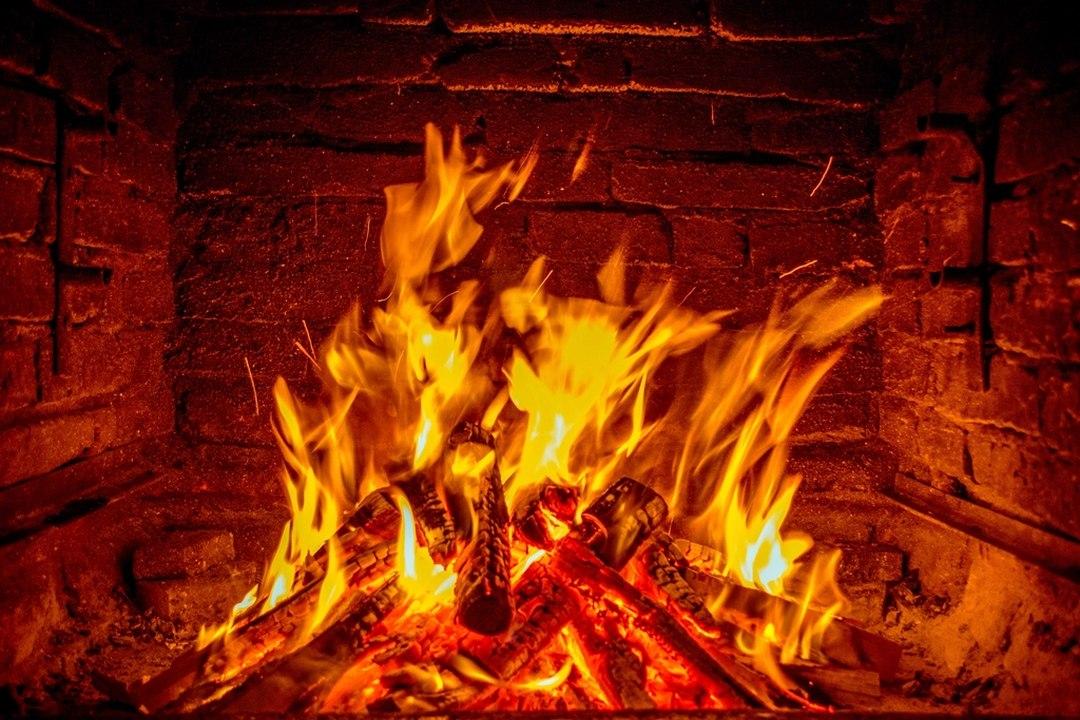
Every wood fire leaves a coat inside the chimney. Early in the season it is a dry black dust. After a winter of slow evening fires it can turn into crusty flakes, or into a hard, shiny layer that looks like poured tar. All of it burns. When it catches, the fire inside the flue throws burning bits out of the top, and on a dry, gusty fall evening those bits do not always land on your own roof.
That is why we steer sweeps into the late summer and early fall calendar for homes in Inglewood. The chimney is cool and idle, the winds have not started, and whatever comes down the brush is a winter of fuel taken away before the first match is struck.
What a proper sweep visit includes
A sweep is not a brush pushed up and pulled back down. When you hire one, the visit should cover:
- Drop cloths down and a sealed vacuum running at the hearth before any brushing starts
- The flue brushed from the firebox to the top, with heads sized to the tile or liner
- The ledge above the damper cleared by hand, since soot and nesting scraps pile up there
- The cap screen cleared, or noted if the mesh has rusted through
- A look at what came down, because dust, flakes or glaze each say something about how the fire has been burning
- A short written note with photos of the flue and anything that needs attention
If someone offers to sweep without going on the roof or without looking at the cap, ask why. On an ember-safety visit, the top of the chimney matters as much as the inside.
What a sweep costs
Our chimney sweep is priced from $405. What lifts a visit above that starting figure:
- How much has built up. A light dusting comes off quickly. Heavy flakes take more passes and more vacuum time.
- A hard glaze. If the brush skates over a shiny layer, an ordinary sweep will not shift it, and we will tell you so rather than charge for a sweep that did nothing. Glaze removal gets its own written figure once we have seen how far it runs.
- More than one flue. A furnace flue beside the fireplace flue, or two fireplaces sharing a stack, means more than one run.
- A stove or insert. Pipes and connectors come apart and get brushed as well.
- Roof and access. A two-story or steep roof takes longer to work on safely.
Fill in the form with what goes into your fireplace and how many winters since anyone brushed it, and we will call back with a figure for your house and a day for the visit.
Questions to put to any sweep you hire
You are letting someone work inside your house and on your roof. Fair things to ask:
1. Will you check the cap and the top of the chimney, or only the inside? 2. Do I get a written note or photos of what you found? 3. If you find something that needs repair, is it priced in writing before any work? 4. What happens if the brush does not clear the flue? 5. Do you work on stoves and inserts as well as open fireplaces?
The fourth answer tells you the most. A sweep who stays quiet about glaze, a cracked tile or a missing screen leaves the hazard in place and gives you a false sense that the job is done.
How often, and when
Once a year is the usual rhythm for a fireplace that sees regular fires. A wood stove or insert running most winter evenings may need more. A fireplace lit a handful of times a year still gathers soot, nests and leaves, and still earns a yearly look.
On the fire calendar we suggest:
- August through October: sweep and clear the cap mesh before the Santa Ana months and before the first cold night.
- After heavy use: if you burned most evenings, a check partway through winter catches buildup before spring.
- Before relighting a long-idle fireplace: sweep first, because birds and rodents move into quiet flues over the summer.
Wood smoke runs on a calendar here too. Under Rule 445, the South Coast air district can call a no-burn day across Los Angeles County during the winter months when the air is poor, and on those days the fireplace stays cold anyway. A swept chimney makes the burn days you do get count, and an idle no-burn day is a sensible day for us to come and brush.
What the brush tells us about the rest of the chimney
A sweep doubles as a quiet diagnosis. If the brush catches on something, a tile may have shifted. If the debris is full of mortar grit, joints are wearing away. If water stains run down the brick above the damper, the top of the chimney is letting rain in. We write each of these down.
A sweep is not an inspection, but it often shows when one is due. Our post on Level 1 or Level 2 explains the difference, and the chimney inspection page lists what each visit covers. If the cap turns out to be the weak point, see what sets the price of a spark cap.
Gas fireplaces and the sweep
A gas fireplace leaves far less soot, but it is not a reason to skip the visit. Gas logs vent through the same flue, and a nest or a fallen tile can block it just as well. For gas sets we look at the flue, the cap and the log layout, and our gas fireplace cleaning visit covers the burner side.
Booking the visit
Sweeps for houses in Inglewood, Culver City, El Segundo and Lynwood start on our contact page. A couple of lines about the fireplace and when it last saw a fire are enough for us to set the day.
Ready Before the Dry Winds?
Tremont checks the cap screen, clears the creosote and looks over the crown and hearth, then hands you photos and a written price for anything that needs work. Crews set out from Inglewood to Culver City, El Segundo, Lynwood and the other cities on our area pages.