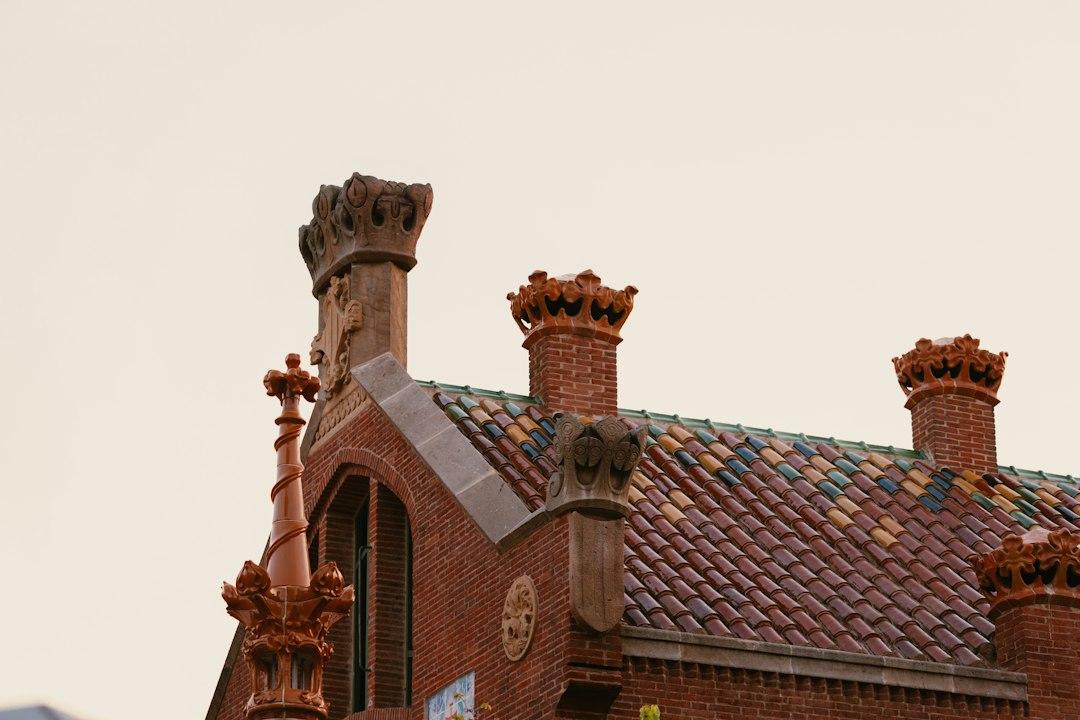
The slab the cap stands on
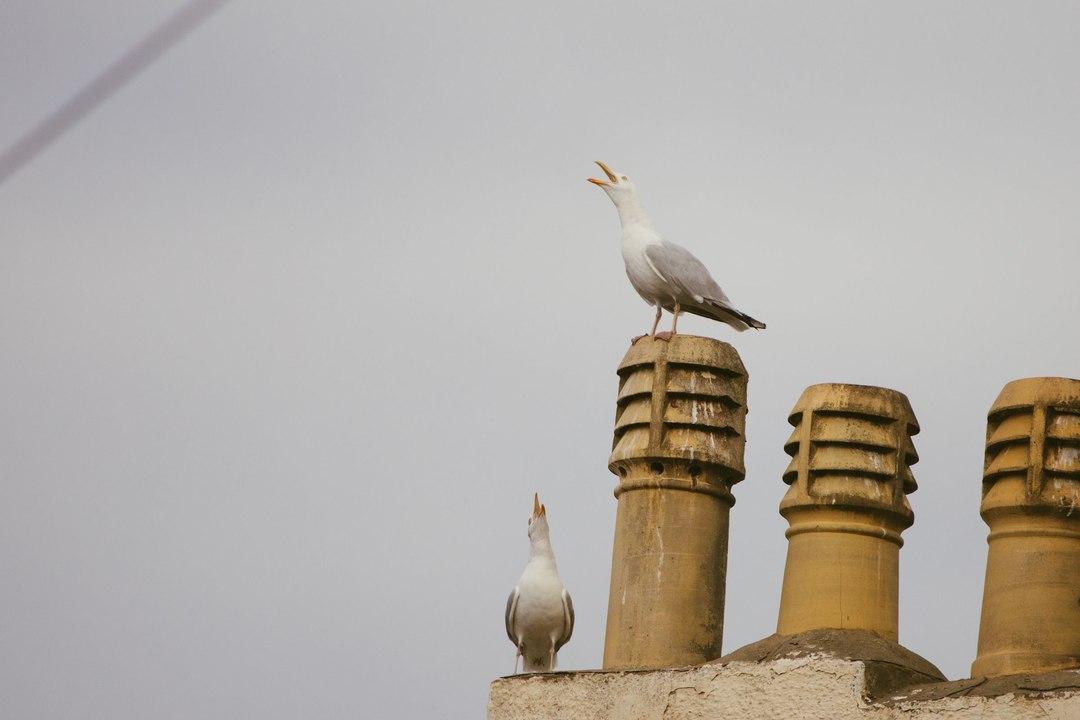
On a brick chimney, the cap does not sit on bare brick. It sits on a slab of concrete or mortar that closes off the top of the stack around the flue tiles. That slab is the crown, and when it cracks, two problems follow. Rain soaks into the brick below it and works on the mortar joints from the top down. And the cap, fastened to a weakening base, starts to loosen, rust at its feet and lean in the wind.
A loose cap in a Santa Ana gust is a cap that can come off, and the ember screen goes with it. That is why, for a company built around keeping sparks inside the chimney, we treat the crown as a fire part as much as a water part. A screen is only as secure as the slab under it.
What we find on Inglewood chimneys
Many of the crowns we climb up to are thin and nearly flat. Afternoon sun heats them, the evening marine air cools them, and the flue tile in the middle grows and shrinks at a different rate from the slab around it. Cracks tend to start at the corners and around the tile. Quakes add their own share; a crown that went through 1994 may have opened then and been letting water in quietly ever since.
You can often spot the signs without a ladder:
- Pieces of gray concrete on the roof or in the gutter below the chimney
- A cap that leans, or rust streaks running down the brick under it
- Damp patches or a white powdery bloom on the brick in the attic or around the fireplace
- Rust on the damper, or flakes dropping onto the grate after rain
None of these prove the crown is the cause on its own, but together they point at the top of the stack.
Two ways to fix it
Which fix applies depends on how far the damage has gone.
Sealing. When the slab is solid and the cracks are fine, we clean the surface and coat it with a crown sealer that stays flexible through hot days and cool nights. It closes the cracks against water and keeps the cap's base dry. This is the lighter job, and it suits a crown caught early.
Recasting. When pieces have broken loose, cracks run right through, or the slab is so flat that water sits on it, sealing will not hold. We break the old slab off down to sound brick and form a new one that slopes from the tile to the edge, hangs out past the face of the brick so rain drops onto the roof instead of running down the stack, and leaves a soft joint around each tile so the two can move separately.
We tell you which one your chimney needs and why, with photos of the cracks in the report.
What sets the price
There is no published figure for crown work on our site, because no two crowns are the same job. What moves the number:
- Which fix. Sealing costs a fraction of a full recast.
- How wide the top of the stack is, and whether one tile or three come through it.
- The brick underneath. A new crown needs solid brick to sit on, so any rows near the top that have worked loose get reset first.
- The cap. It has to come off for crown work. If it has rusted at the base, a new one is quoted after we measure.
- The roof. Pitch, height and how the stack is reached.
Once we have been up top, the figure comes to you on paper, each item on its own line.
Use the form to say whether you have seen concrete bits on the roof or a leaning cap, and we will set up a roof visit and write the quote from what we find.
Doing the crown and the cap together
Since the cap has to come off anyway, crown work is the natural moment to swap a rusted cap for a stainless one with a sound ember screen. One climb, one visit, both jobs on one written quote. Our post on what sets the price of a spark cap explains that side of it, and the crown repair page covers the masonry side.
If water has already reached the inside of the house, the crown may not be the only entry point. Flashing, brick and the cap can all play a part, and our chimney leak repair work, priced at $540 to $3,250, covers tracing and fixing water wherever it comes in.
Timing on the fire calendar
A new crown needs dry weather to cure. In Los Angeles County that usually means late spring through early fall, which lines up neatly with getting the cap tight before the fall winds. A small sealing job can often go ahead in a dry spell during winter.
If the crown is badly broken, hold off on fires until it is repaired. Loose concrete near a hot flue tile and a wobbly cap are not a good mix on a windy night.
Questions about crowns
Is a cracked crown dangerous right now? Usually not on its own. The risk builds over time: wet brick, rusting metal, a cap that works loose. If concrete is falling off the roof, keep people clear of the area below and get in touch.
Can you just put a new cap on and leave the crown? We can, but on a broken crown it will not stay tight for long, and we will say that in writing.
Will a water repellent on the brick help? On sound brick, often yes, and our chimney waterproofing page explains when. It does not replace a crown that is split.
Getting a crown quote
Crown visits for Inglewood, Culver City, El Segundo and Lynwood are booked through our contact page. A short note on what you have spotted up top is plenty to get started.
Ready Before the Dry Winds?
Tremont checks the cap screen, clears the creosote and looks over the crown and hearth, then hands you photos and a written price for anything that needs work. Crews set out from Inglewood to Culver City, El Segundo, Lynwood and the other cities on our area pages.